GPU Nodes
144 x NVIDIA GPU
From foundational algorithms to real-world deployment, MMAI Lab builds vision and learning systems that connect core research, multimodal intelligence, robotics, and biomedical impact.

GPU Nodes
144 x NVIDIA GPU

Research Servers
Shared Servers

Robotics Platform
UR5e

Abstract
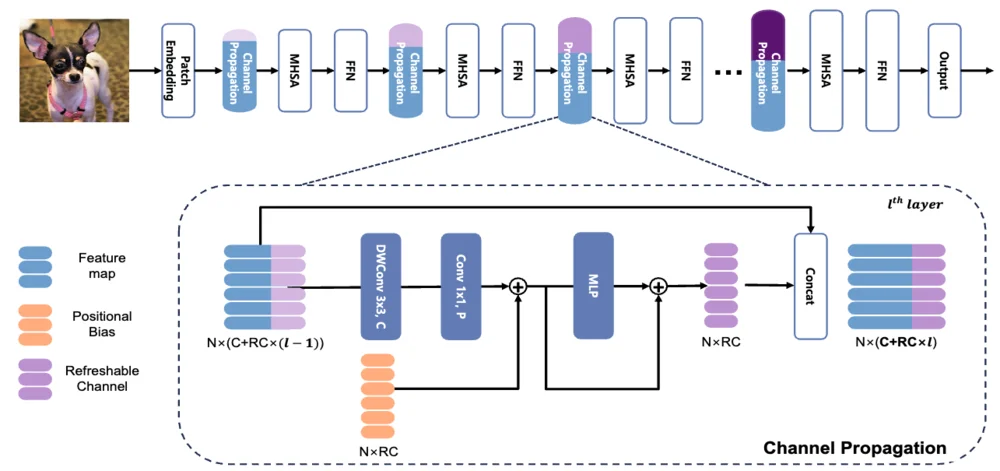
We study robust vision and learning algorithms for recognition, representation, and adaptation at scale. This area investigates scalable visual representations and adaptation strategies that remain reliable across data shifts, label scarcity, and long-tail conditions. Foundational vision and learning methods for robust generalization

Designing efficient SOTA architectures with manageable computational cost
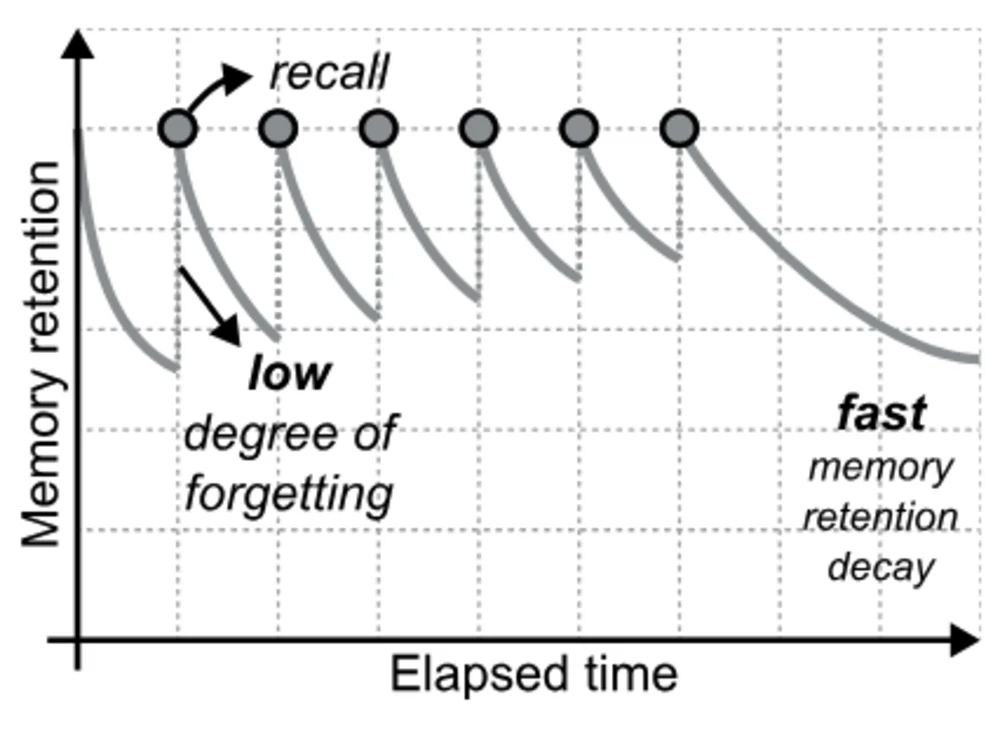
Reinforcing feature representation through token pooling, hashing, and continual learning
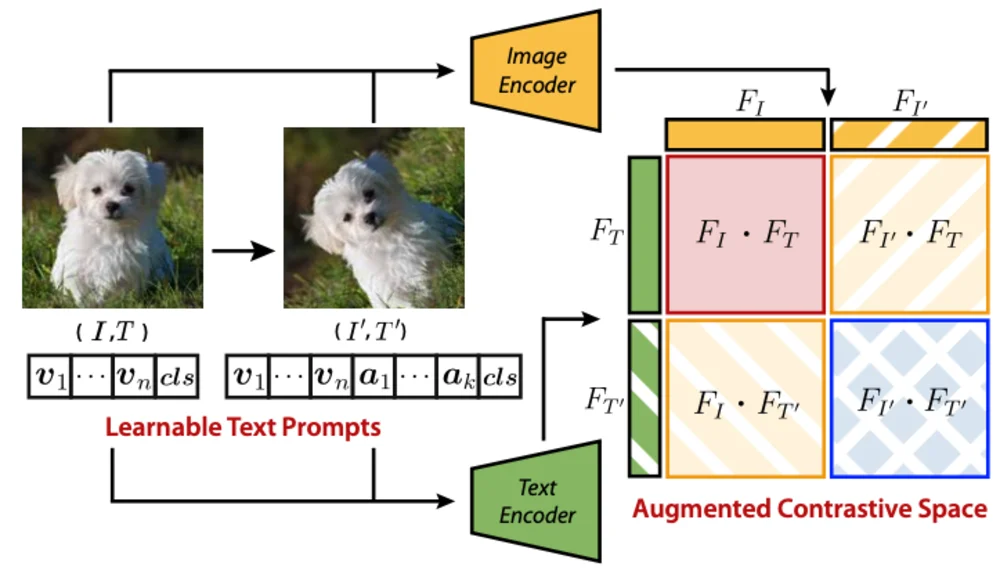
Adapting large VLM to new tasks and domains through parameter-efficient transfer learning

Abstract
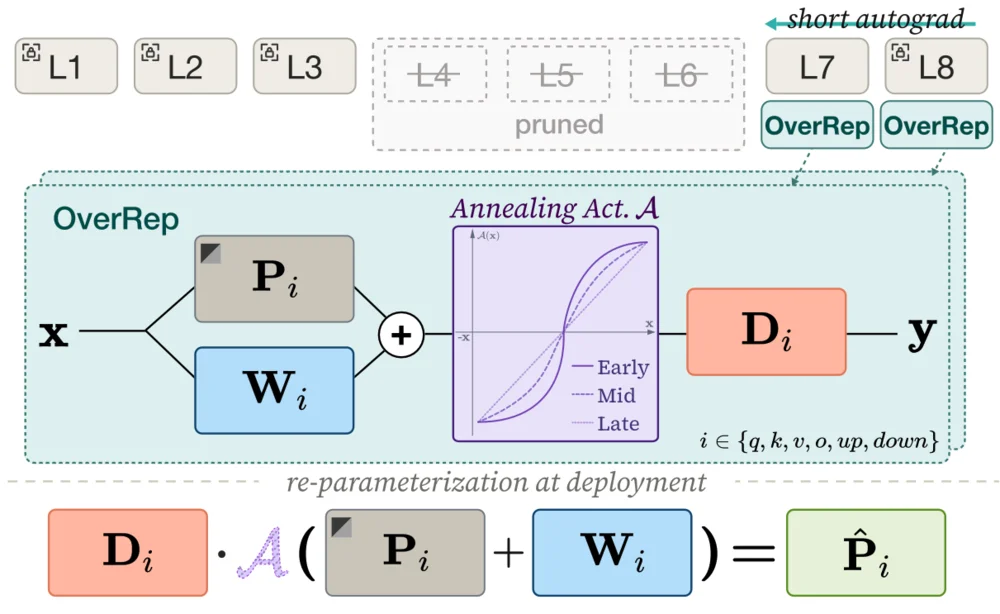
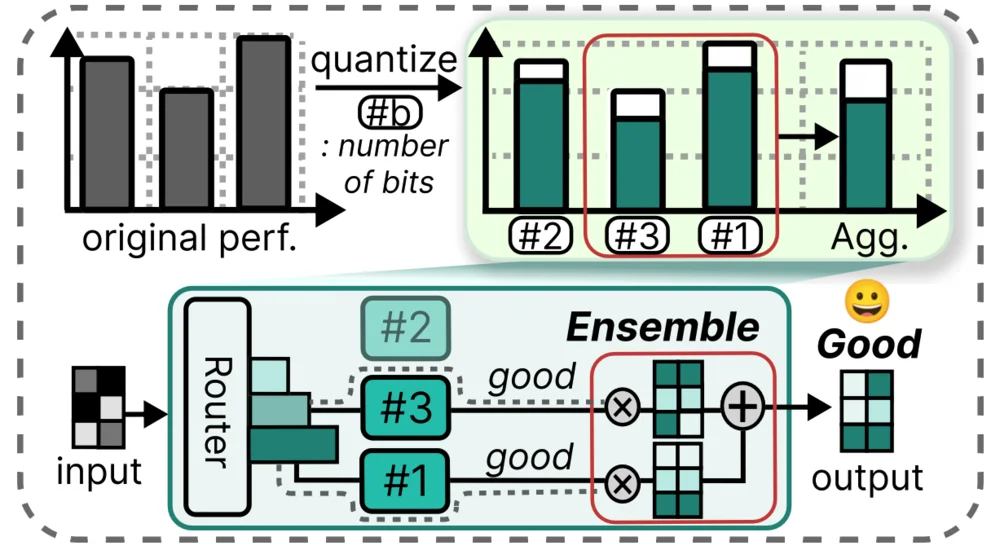
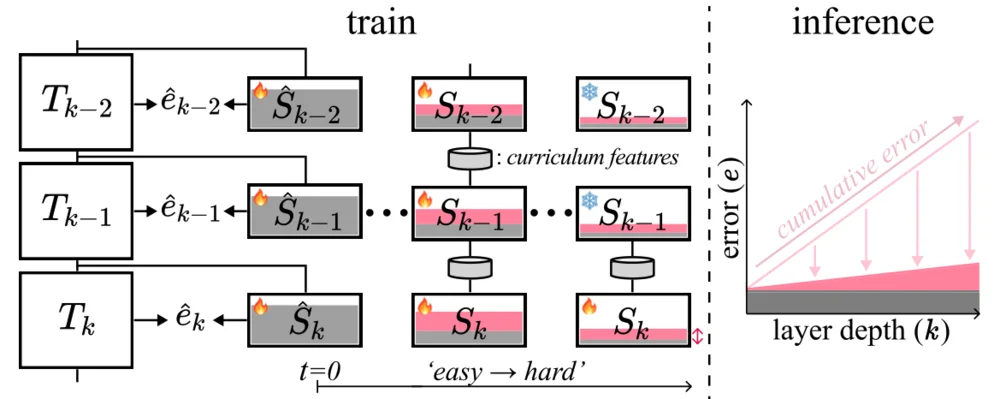
We develop practical methods for making large language models lighter, faster, and more efficient to deploy. This area focuses on making large language and multimodal models lighter, faster, and easier to deploy while preserving reasoning quality. Efficient and practical multimodal intelligence for deployment

Removing redundant parameters and structures from large models while preserving performance

Reducing numerical precision of weights and activations to lower memory and compute cost

Adapting pretrained models to new tasks and domains with minimal additional training cost

Abstract
We build robot learning pipelines that connect visual understanding to efficient and reliable robotic behavior. This area connects visual-language understanding to robot policies for practical perception-to-action pipelines in real environments. Embodied AI from perception to reliable robot behavior

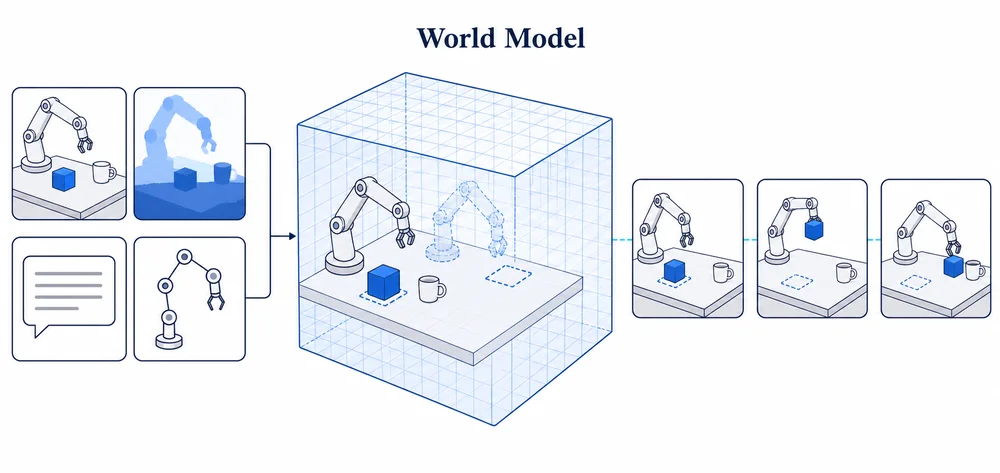
Learning world dynamics to understand causality and dynamics in physical environments

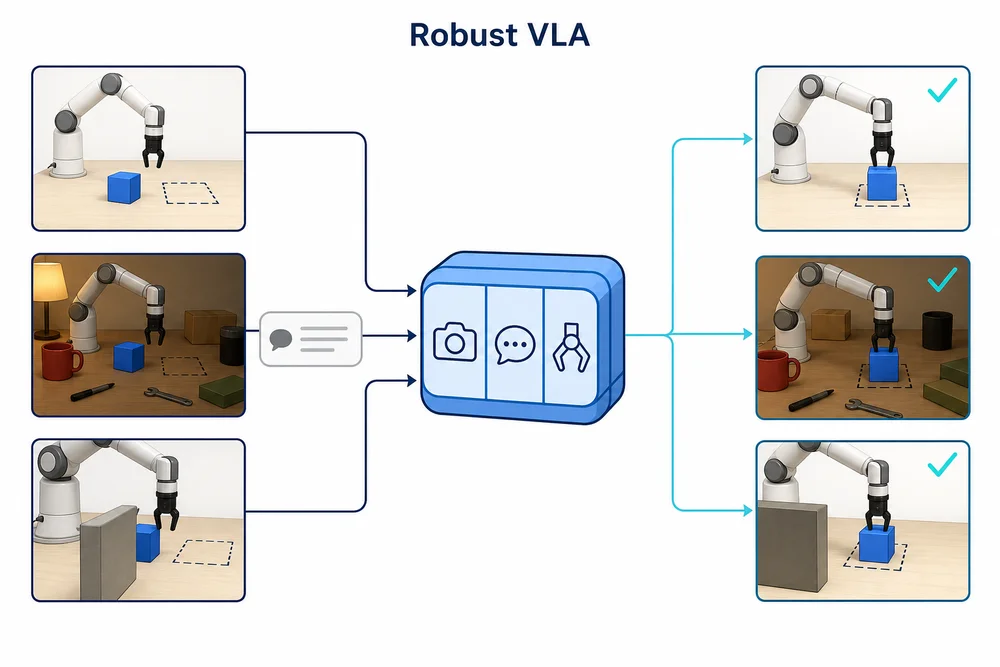
Improving robustness and generalization across diverse tasks, environments, and embodiments

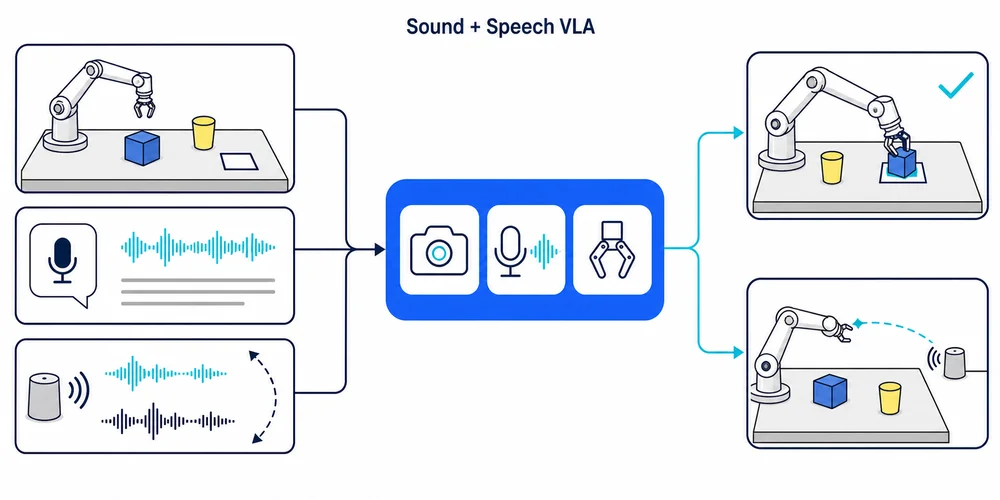
Grounding speech instructions and sound for reactive robot control instead of relying on text

Abstract
We apply AI methods to industrial reliability and medical analysis, with a focus on high-impact real-world use cases. This area applies machine learning to industry and healthcare with emphasis on reliability, interpretability, and robust validation in real use cases. Trustworthy AI for industrial reliability and medical analysis

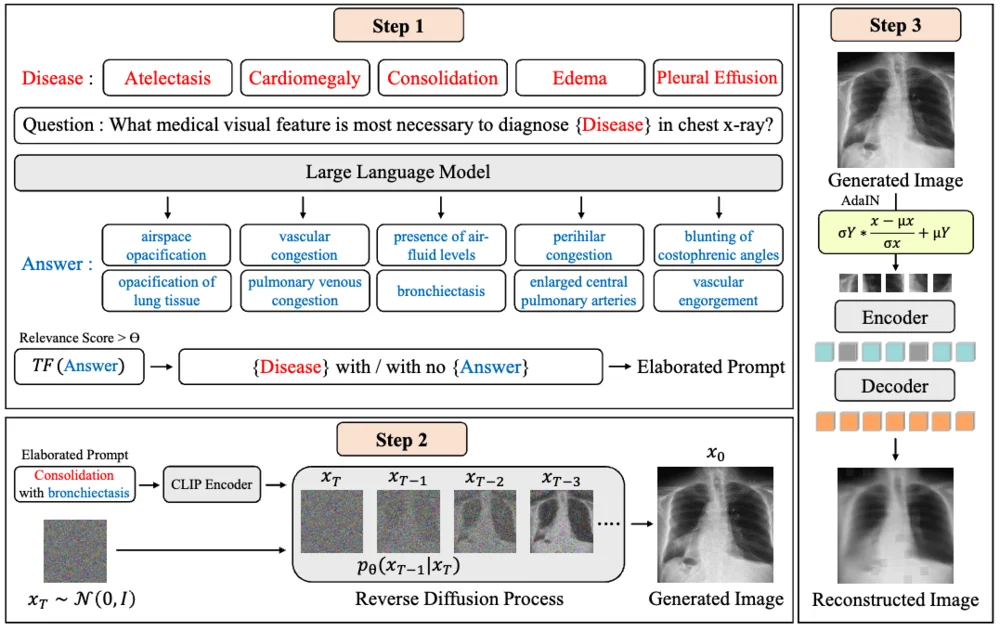
Building diagnostic models robust to long-tail distributions and domain shift problem

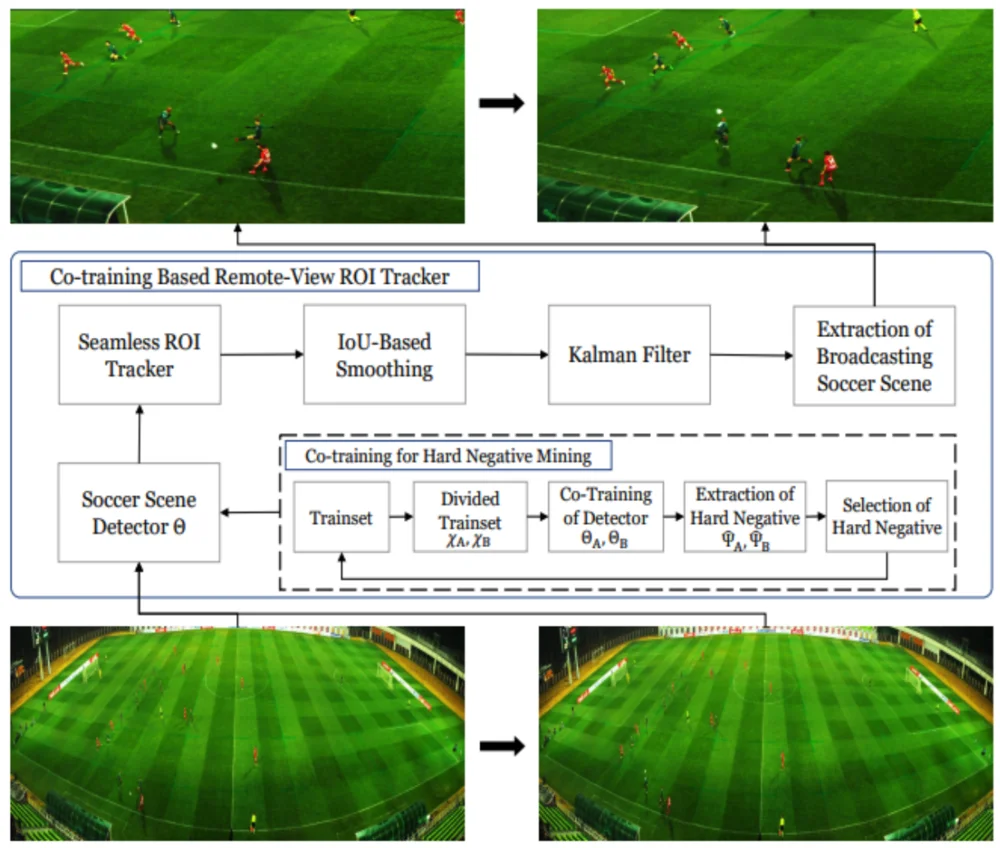
Applying vision systems to tracking, recognition, and defect detection in real-world environments

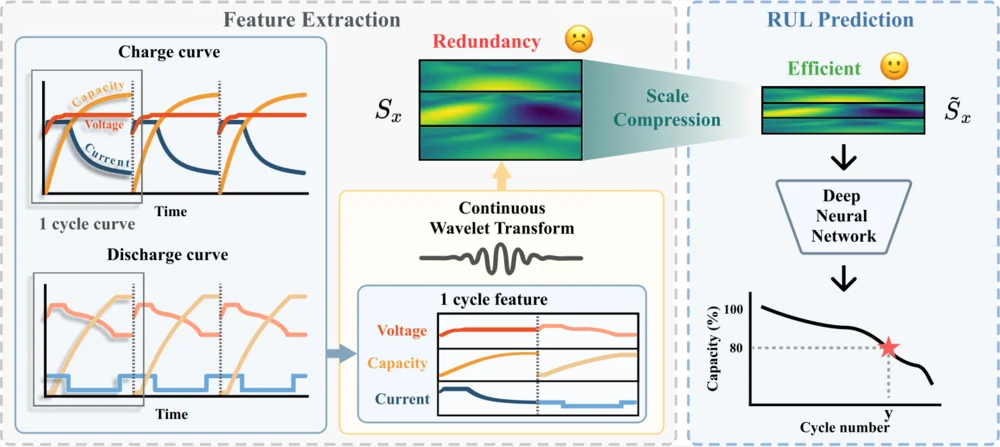
Predicting battery degradation and remaining useful life by fusing heterogeneous signals